
You have exactly four days of leave, a heart yearning for the mountains, and a pair of trekking boots gathering dust in the closet. You want the deep snow of the Himalayas, the spiritual pull of an ancient temple, and a summit view that makes you feel like you’re standing on the roof of the world—but you don’t have a week to spare for a massive expedition. This is the classic modern trekker’s dilemma. If you are caught between the desire for adventure and the reality of a tight schedule, then discovering the 5 Reasons to Choose Chopta Chandrashila for a Short Winter Trek will be a game-changer for your 2026 travel plans.
In this comprehensive guide, we are going to dissect why the chopta tungnath chandrashila trek is widely considered the best "bang-for-your-buck" winter experience in India. We will cover the emerald reflections of the deoria tal trek, the stone-paved path to the world’s highest Shiva temple, and the final adrenaline-pumping scramble to the Chandrashila summit. From managing thin air at 12,110 ft to packing for sub-zero temple nights, this blog is your definitive blueprint for the ultimate short winter odyssey.
🏔️ 1. The "Mini Switzerland" Appeal: Why Chopta is Unique
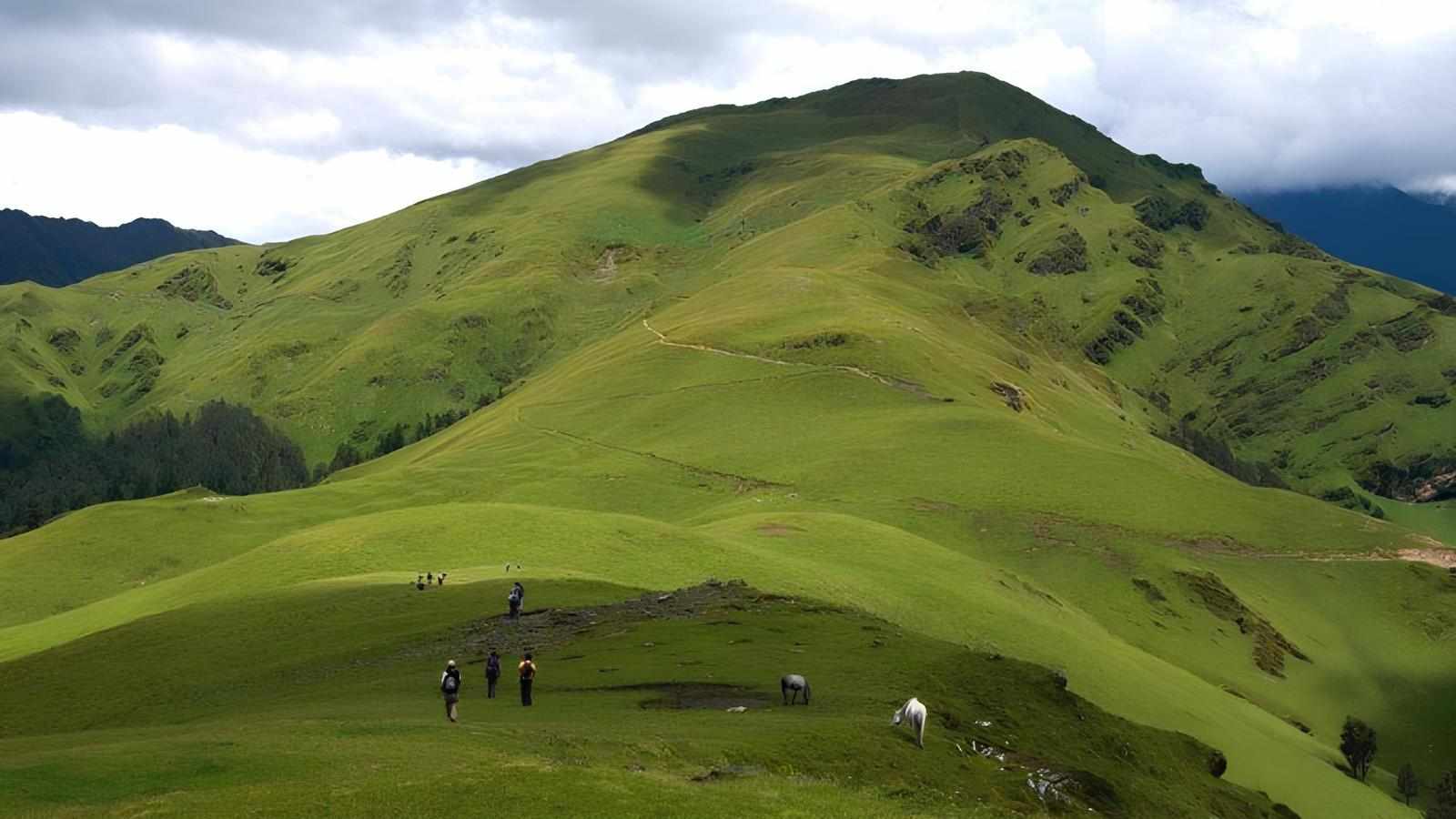
The first and most compelling reason to choose this trail is the sheer aesthetic density of the region. Chopta is often referred to as the "Mini Switzerland of India," but in winter, this title feels like an understatement. While other treks require days of walking through monotonous valleys to reach the "good views," Chopta delivers them the moment you step out of your vehicle.
The chopta chandrashila trek is unique because it offers a high-altitude experience with relatively low-altitude effort. The base of the trek is already situated at about 8,500 ft, surrounded by dense forests of rhododendron and deodar. In winter, these forests turn into a monochromatic masterpiece. The contrast between the deep red of the winter rhododendron buds and the pure white snow is something you won't find on other trails.
The Accessibility Advantage
Unlike many remote winter trails that require long, grueling drives through treacherous terrain, Chopta is well-connected. The road remains open for most of the winter, allowing you to reach the snow line quickly. This accessibility is a double-edged sword; while it makes the trek "short," the rapid ascent means you must be extra cautious about your acclimatization. For a solo traveler, this is one of the best solo trekking destinations because you are never too far from civilization, yet you feel completely immersed in the wilderness.
Biodiversity in the Snow
For nature lovers, the Chopta region is a hotspot for Himalayan wildlife. Even in the peak of winter, you have a high chance of spotting the Himalayan Monal—the state bird of Uttarakhand—strutting across the snow. The vibrant metallic colors of the bird against the white backdrop are a photographer's dream. This rich biodiversity adds a layer of "discovery" to your trek that goes beyond just physical climbing.
🌅 2. The Spiritual Magnificence of the Chopta Tungnath Trek
The second reason this trek is undisputed is the presence of Tungnath, the highest Shiva temple in the world. This isn't just a trekking landmark; it is a spiritual powerhouse that has stood for over 1,000 years. The chopta tungnath trek is a 3.5 km stone-paved path that zig-zags up the mountain, offering a physical challenge that is deeply rewarding.
Walking Through History and Faith
In winter, the temple is closed for worship as the deity is moved to Mukkumath, but the energy of the site remains. The temple complex, covered in several feet of snow, looks like a silent sentinel guarding the Himalayas. Walking this path in winter requires micro-spikes or crampons, as the stone steps get covered in "black ice." For many, this is the most difficult part of the trek—not because of the incline, but because of the slippery surface.
The Psychological Reward of the Temple Reach
Reaching Tungnath at 12,073 ft provides a massive sense of achievement. For beginners, it’s often their first experience of standing above the clouds. The temple courtyard offers a panoramic view of the Kedar range and Chaukhamba peaks. If you are looking for an easy-to-moderate challenge, the stretch to Tungnath is the perfect litmus test for your mountain legs. It prepares you mentally for the final, steeper push to the Chandrashila summit.
🪞 3. The Mirror Effect: The Deoria Tal Trek Integration
The third reason to choose this route is the ability to combine it with the deoria tal trek. Most trekking companies, including Roopkund Heaven, offer the chopta tungnath chandrashila with deoria tal trek as a combined package. Deoria Tal is a high-altitude lake located at 7,900 ft, and it serves as the perfect "appetizer" for the main summit.
The Reflection of Chaukhamba
Deoria Tal is famous for its crystal-clear reflections of the Chaukhamba peaks. In the early morning, the lake acts as a giant mirror. In winter, the edges of the lake freeze, creating a beautiful frame of ice around the reflection. The trek from Sari village to Deoria Tal is a short 2.5 km uphill walk through oak forests. This is an essential part of the itinerary because it helps your body adjust to the altitude before you head to the higher base camp of Chopta.
Camping in the Wilderness
Camping near Deoria Tal is a magical experience. The forest here is dense, and the birdlife is spectacular. It offers a "wilder" camping feel compared to the guest houses in Chopta. For many beginners, Deoria Tal is where they learn the basics of tent life, sleeping bag usage, and cold-weather hygiene in a safe yet beautiful environment.
🏔️ 4. The 360-Degree Summit: Chandrashila’s Grandeur
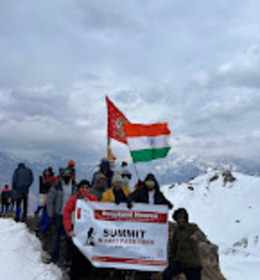
The fourth reason is the summit itself. The chopta chandrashila trek culminates at 12,110 ft on a peak called "Moon Rock" (Chandrashila). While the altitude isn't as high as the great pass treks, the view is arguably better. Because Chandrashila is a standalone peak, there is nothing to block your view in any direction.
A Panorama of Giants
From the summit, you can see a staggering array of peaks: Nanda Devi, Trishul, Nanda Ghunti, Kamet, Dronagiri, Chaukhamba, Kedar Dome, and Thalaysagar. It is rare to see so many legendary 7,000+ meter peaks from a single vantage point that is so easy to reach. For a short winter trek, this "effort-to-reward ratio" is the highest in the Himalayas.
The Thrill of the Summit Scramble
The climb from Tungnath to Chandrashila is only 1.5 km, but it is steep. In winter, this section can be quite technical due to deep snow and narrow ridges. You’ll need to use your hands in some places to scramble over rocks. This gives you a taste of "real" mountaineering without the extreme risks. It’s the perfect place to practice your winter season trekking skills and build confidence.
🛡️ 5. Why Roopkund Heaven is the Best Choice for this Trek
When you are on a short timeline, you cannot afford logistical errors. This is where choosing a professional operator becomes vital. Roopkund Heaven is widely recognized as the best trekking company for Himalayan treks in India, and their Chopta-Chandrashila operations are the gold standard.
Safety and Local Expertise
Since the chopta tungnath chandrashila trek involves rapid altitude gain, Roopkund Heaven ensures that their guides are equipped with medical kits and oxygen cylinders. Their guides are locals who have navigated these trails in the heaviest of snowfalls. They know when the trail is too icy and will provide the necessary safety gear like gaiters and micro-spikes as part of the package.
Quality of Stay and Food
On a winter trek, your recovery depends on how well you sleep and eat. Roopkund Heaven provides high-quality, insulated tents or cozy guest houses in Chopta that are designed to withstand the −10°C nights. Their meals are prepared fresh and are designed to be high in carbohydrates to keep your energy levels up. By handling all the logistics, they ensure your short break is actually a vacation.
🎒 Preparing for the Chopta Chandrashila Winter Trek
Despite being a "short" trek, you are still heading into a high-altitude winter environment. Proper preparation is the difference between a successful summit and an early descent.
The 3-Week Fitness Plan
Cardio: Run 3-4 km three times a week. You need your heart to be efficient at 12,000 ft.
Leg Strength: Focus on step-ups and lunges. The stone steps of Tungnath can be punishing on the knees during the descent.
Breathing: Practice deep breathing to help your lungs expand and contract effectively in thin air.
Winter Packing List
Layering: You need a base layer, a fleece mid-layer, and a heavy down jacket. The temperature at the summit can be −15°C with wind chill.
Footwear: Proper waterproof trekking boots. If your feet get wet in the snow, the trek is over.
Eyes: Polarized sunglasses are a must to prevent snow blindness on the summit ridge.
❓ FAQs
1. Is the Chopta Tungnath trek open in January and February? Yes, the trek remains open throughout the winter. However, the Tungnath temple itself is closed for visitors (the doors are locked), but you can still visit the temple complex and continue to the Chandrashila summit.
2. Is chopta tungnath trek safe for beginners?
Yes, the chopta tungnath chandrashila trek is one of the most beginner-friendly winter treks. The path is well-defined, and the distances are short. However, you must be prepared for the cold and the steep final climb.
3. Do I need to carry oxygen cylinders? Professional operators like Roopkund Heaven carry emergency oxygen. For most healthy individuals, it isn't needed, but having it available is a crucial safety net at 12,000 ft.
4. Can I see Nanda Devi from the summit? Yes! Chandrashila offers one of the best and clearest views of the Nanda Devi peak in the entire Garhwal region.



Write a comment ...